A Healing Smile

A Healing Smile
The Gelology Model (The Science of Humour)
The gelolog creates a bond with the children that is not dependent on language or culture, and creates an atmosphere of tranquility, smiles and well-being.
Through humour and various arts this bond gets stronger and empowers children and their families.
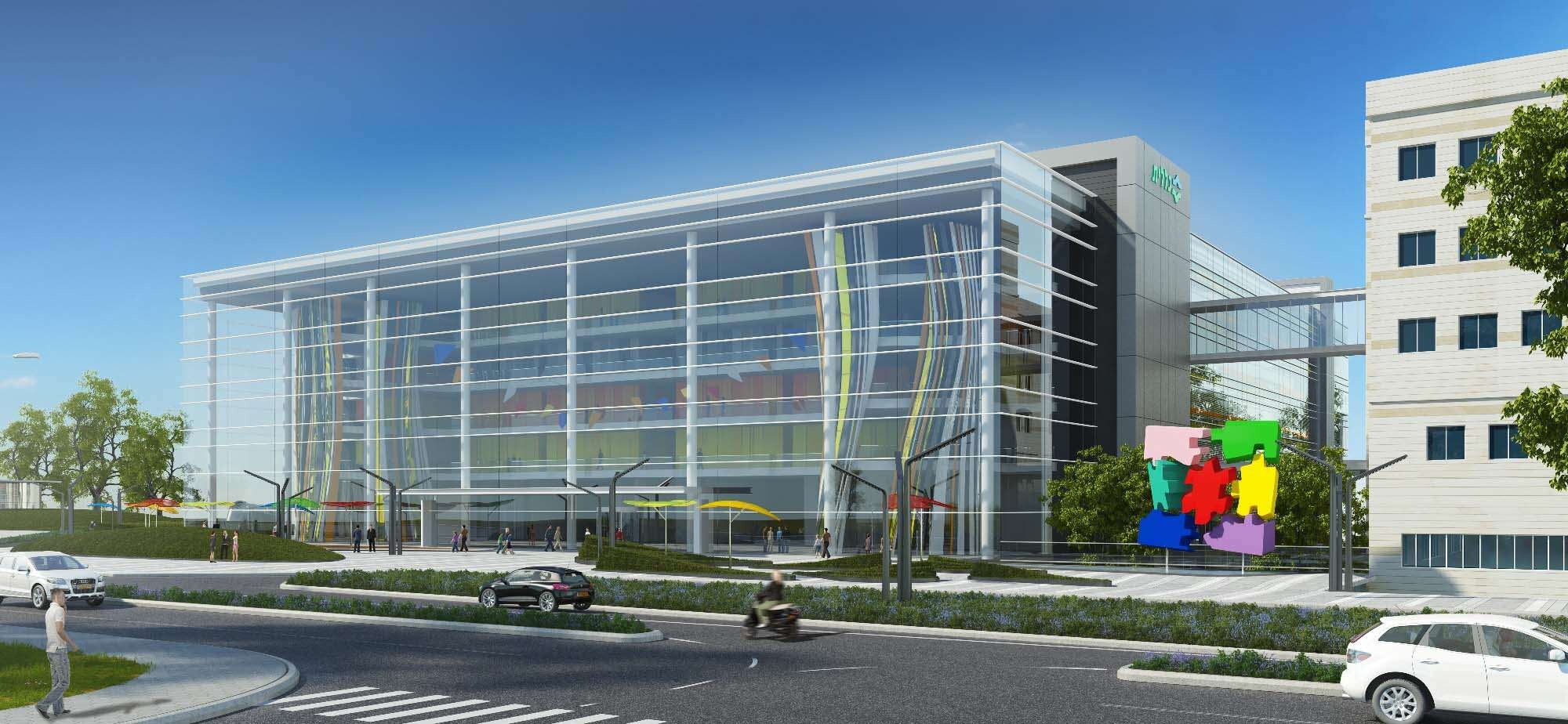
Our highest priority is the construction of a new building at the cost of $120 million. This capital project offers several naming opportunities, ranging from $50,000 for a hospital room or an incubator station to $250,000 for an educational activity room, continuing with $1.2 million for mental health clinics, and $3 million for an entire department.
There are various ways to support the Southern Wing. For further details, contact us.
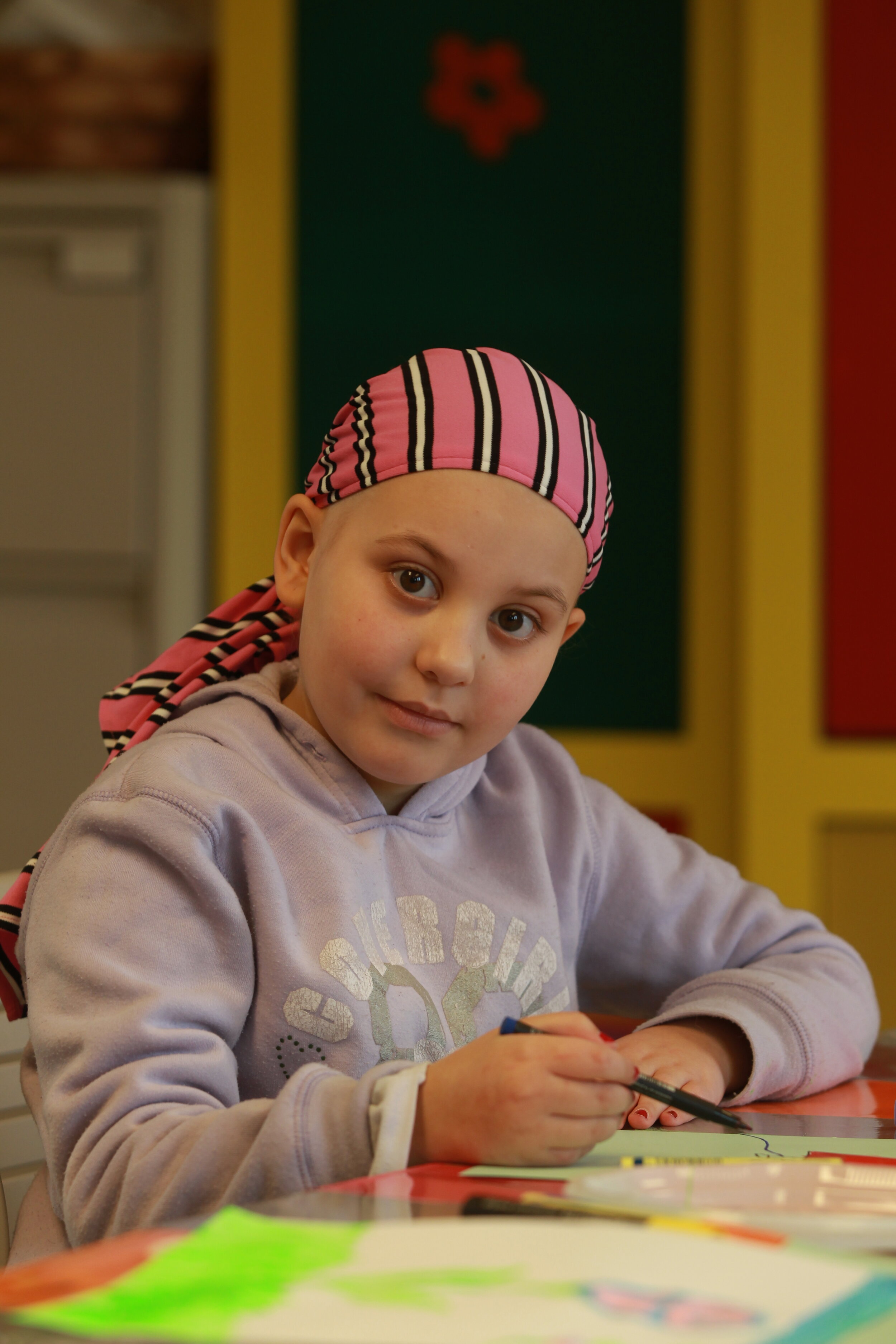
During the last 4 decades there has been a dramatic improvement in the outcome of children with cancer. From an incurable disease, 8 of 10 children with cancer are cured today. The price of the cure, however, is significant due to the toxic effects of chemotherapy. We are now at the beginning of the new revolution of therapy for children with cancer.
The challenge to cure every child with cancer with more precise and less toxic drugs is attainable and depends on the translation of the dramatic progress in genomic and biological research into personalized precision medicine that adjusts therapies to the genomic make-up of the child and the specific malignancy. The genomic cancer revolution is only the first step in transforming the SCMCI into a genomic-based hospital applying precision medicine to every child with a serious disease.
Every year, the Failure to Thrive (FTT) and Feeding Problems in Early Childhood Clinic treats over 2,000 infants, babies and toddlers (0-4) with feeding problems and nutritional and thriving disorders that jeopardize a child's future growth and cognitive development. If malnutrition becomes severe and chronic during the first year of life, a child's neurologic development may be permanently affected, making early recognition and prompt intervention critical. The Clinic offers a special facility for nutritional counseling, specific treatment of complications or deficiencies, and long-term monitoring of 'catch-up' growth and nutritional status.
A multi-disciplinary health care team is responsible for evaluation, diagnosis and establishing personal treatment plans aimed at bringing each child to the required standards of growth, while instilling healthy nutritional habits through a well-balanced diet and parent education. Friends of Schneider Children’s Medical Center supports the positions of the health professionals to ensure a multi-disciplinary team approach.
The Department of Psychological Medicine excels in diagnosis, consultation and therapy for children and adolescents suffering from psychiatric and developmental disorders. three of its specialty clinics are:
Depression and Suicide Prevention Center (DSPU) – The DSPU diagnoses and treats childhood depression and conducts clinical research into causes, effects and treatment of childhood depression and suicidal behavior in collaboration with leading experts in the field. The DSPU is the only program of its kind in Israel, where children are especially vulnerable to depression due to the fragile security situation and threat of terror. The Unit receives some 25 new referrals every month, and has a 4 month waiting period. Moreover, almost 100 youngsters a year are admitted to SCMCI emergency room following a suicide attempt. Therefore, we are laboring to establish a comprehensive Depression and Suicide Prevention Center that will increase treatment capacity of adolescents and their families, and offer training programs for professionals.
Eating Disorder Treatment Center - Eating disorders are the third most common chronic illness among adolescents. The chronic and disabling courses of these conditions, which can find their way to adulthood, generate high somatic and psychiatric comorbidity rates. Also, many childhood medical disorders are associated with comorbid eating disorders. The Eating Disorder Treatment Center utilizes a multidisciplinary team approach with consistent support, counseling and family therapy, which are essential for long-term recovery. The Center's treatment capacity is 200 patients annually. Because treatment involves close coordination between a range of medical and paramedical professionals, Friends of Schneider Children’s Medical Center helps to support multi-disciplinary care teams to advance excellence in patient care.
Neuropsychiatric Clinic for Tourette syndrome and Tic Disorders - Tourette Clinic SCMCI which was established almost twenty years ago by Prof. Alan Apter is the largest referral center for tic disorders in Israel with a case load of 750 children and adolescents (200 new cases every year). The clinic has a multidisciplinary team including, psychiatrists, neurologists and psychologists.
The center has world renowned tic research effort which has received multiple international and local awards. The comprehensive evaluation conducted at the clinic is wide-ranging and includes amongst others, tests in neurology, psychology and psychiatry. The objective of the evaluation is to identify the source of the specific problem from which the child suffers. Based on the results of the evaluation, a comprehensive therapeutic program is formulated by the clinical staff appropriate to medical, cognitive, behavioral, educational and emotional needs of the child.
The Institute of Nephrology - is committed to improving the care and treatment of children with diseases of the kidney and urinary tract. It comprises a Dialysis Unit and six clinics: General Nephrology, Hypertension, Kidney Stones, Pre-Natal Counseling, Renal Failure, and Kidney Transplantation. Each year, some 5,500 patients are treated; some 2,580 dialysis treatments are conducted, approximately 400 home dialysis treatments are remotely managed and roughly 25 kidney transplants are performed, including combined liver–kidney transplantation. Their success rates are high and on a par with leading centers in the world. Furthermore, to accommodate significant growth in patient volumes, the transplant clinic was developed to improve the continuum of care between pre and post- transplant patients, and currently the Nephrology Institute provides follow- up care for 100 children annually.
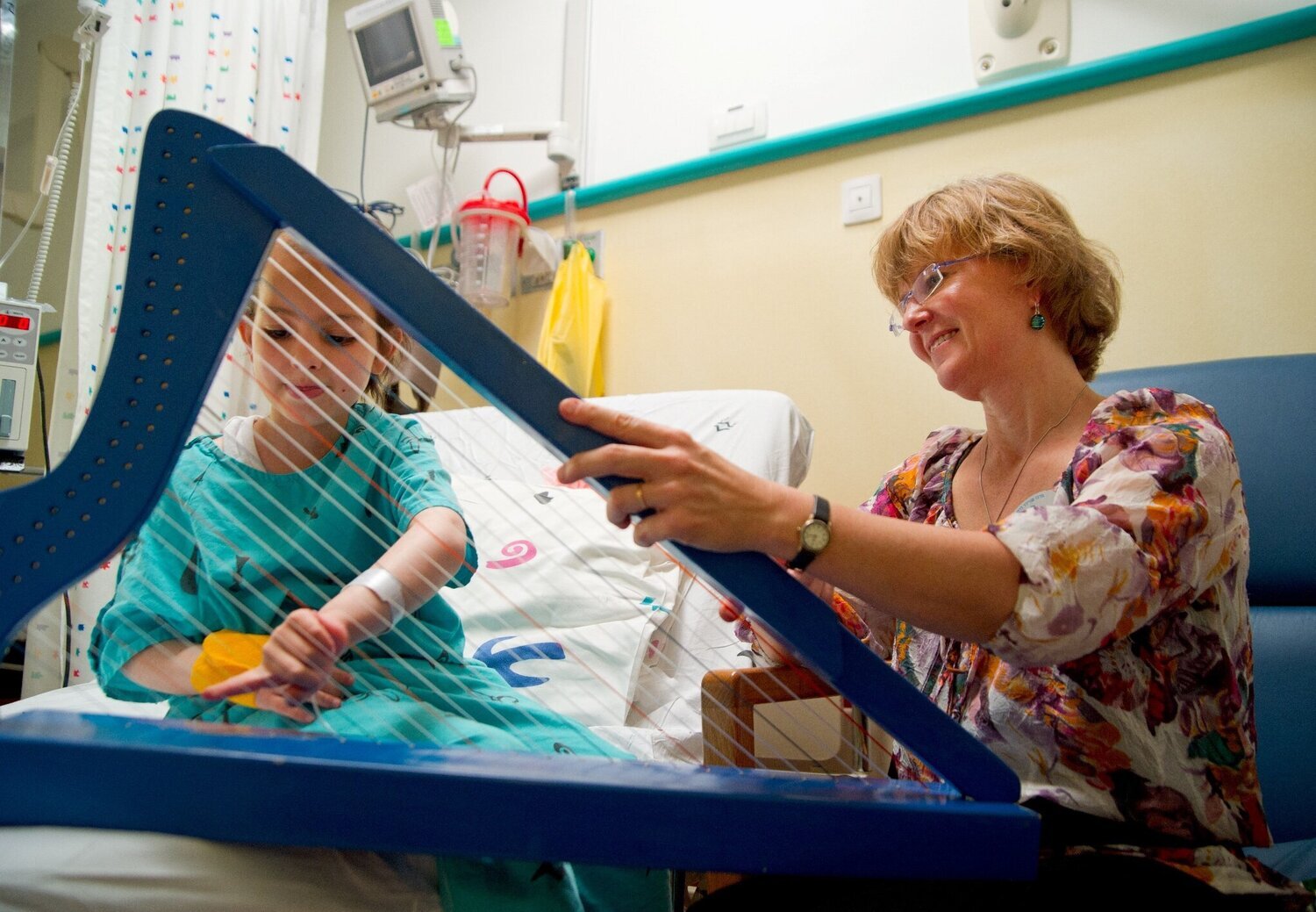
Music Therapy within the Educational Center - The Educational Center at Schneider Children's is an integral member of multidisciplinary medical teams and works under the aegis of Israel's Ministry of Education. The staff comprises over 40 professionals, amongst whom are special education teachers, medical clowns, and music and art therapists – both from the Jewish and Arab sectors of the population. Listening to music distracts from the pain, soothes and joyous, and thus strengthens the body's resources towards and following medical treatment, surgery or hospitalization. The treatment takes place individually or in groups, alongside the child's bed or in the educational activity room. It combines listening, singing, improvisation, composing and playing. When necessary, music therapy is also performed during medical treatment, such as dialysis. The program is implemented by a certified music therapist and two musicians who transfer the musical instruments to the various departments.
The Gelology Model (The Science of Humour)
The gelolog creates a bond with the children that is not dependent on language or culture, and creates an atmosphere of tranquility, smiles and well-being.
Through humour and various arts this bond gets stronger and empowers children and their families.
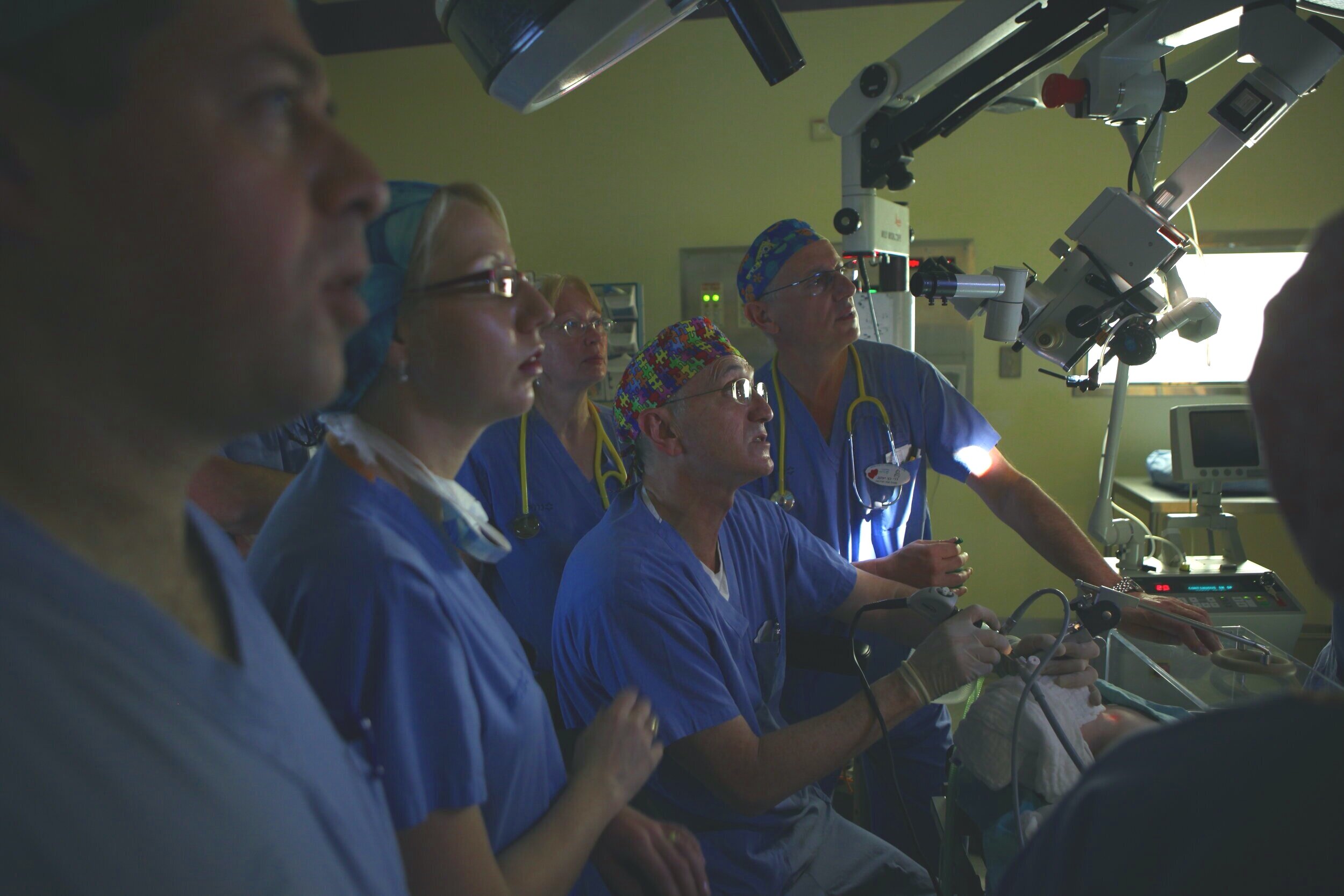
Advanced medical equipment enables the SCMCI’s staff to give quick and accurate diagnoses and offer optimal treatment procedures. The list of required medical equipment deemed essential for the Schneider Children's changes periodically, in accordance to and with the hospital's priorities and needs. There is a wide scope of possibilities of support also where medical equipment is concerned- starting from several thousands of dollars and upwards.